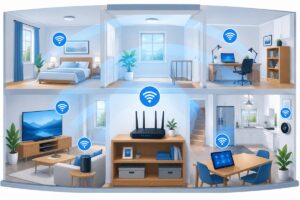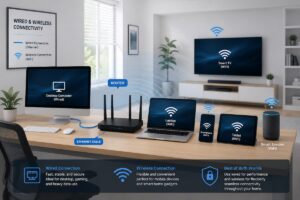

Port forwarding is a simple way to grant specific types of internet data access to specific devices on your home or office network, although the term might sound a bit complicated. It is often used to connect remotely to game servers, smart devices, web servers, and security cameras. Because it grants others access to your network via your router, careful configuration is necessary to avoid additional security risks.
This easy-to-understand guide shows you how port forwarding works, when to use it, how to set it up securely, and what mistakes to avoid. This article teaches you the basics of remote access, making it easier for you to manage your network.
What Is Port Forwarding?
Every device on your home network has its own unique IP address. These devices can connect to the internet via your computer. By default, routers block most incoming network traffic to prevent unauthorized access to your network. Port forwarding changes this behavior by instructing the router to forward certain incoming requests to specific devices on the network. The router does not block the request, but forwards it to the correct location based on the port number you specified.
Think of your router as the receptionist in a large office building. Visitors arrive at the front desk, but they don’t know which office to enter. The receptionist checks the visitor’s destination and directs them to the correct room. Port forwarding works in a similar way by directing internet traffic to the correct device.
Simple Explanation:
Port forwarding creates a controlled pathway that allows approved internet traffic to reach one specific device inside your private network.
Important Networking Terms
| Term | Meaning |
|---|---|
| Router | Connects your local network to the internet. |
| IP Address | Unique address assigned to a device. |
| Port | A communication channel used by network services. |
| NAT | Technology that hides private devices behind one public IP address. |
| Protocol | Rules used for network communication, such as TCP or UDP. |
Why Is Port Forwarding Used?
Most people never need port forwarding for everyday web browsing because internet traffic usually starts from inside the network. However, when someone outside your home needs to connect directly to a device inside your network, port forwarding becomes useful.
For example, suppose you want to access your home desktop computer while traveling. Without port forwarding, your router blocks the incoming request. With the correct rule in place, the router recognizes the request and forwards it to your desktop computer.
Common Reasons to Use Port Forwarding
- Remote desktop access
- Viewing home security cameras
- Hosting a personal website
- Running a game server
- Remote file access
- Smart home management
- Network-attached storage (NAS) access
Although these uses are convenient, they also require careful planning. Opening unnecessary ports increases the chances of unwanted internet traffic reaching your network.
Tip: Only forward ports that you actually need. Close or remove unused forwarding rules whenever possible.
How Port Forwarding Works
To understand port forwarding, it helps to know what happens when someone tries to connect to your network from the internet. Every request arriving at your router includes a destination port number. Different online services use different ports. For example, websites commonly use one set of ports, while remote desktop software or gaming servers use others. Normally, the router blocks incoming requests because it does not know which device should receive them. A port forwarding rule solves this problem by telling the router exactly where to send traffic arriving on a specific port.
Basic Connection Process
- A remote user sends a request to your public IP address.
- The request reaches your router.
- The router checks its port forwarding rules.
- If a matching rule exists, the request is forwarded.
- The selected device receives the connection.
- The device responds to the remote user.
This entire process usually happens in just a fraction of a second, making remote access appear almost instant.
Warning: Forwarding a port does not automatically make a service secure. The device receiving the connection must also use strong passwords and up-to-date software.
What You Need Before Setting Up Port Forwarding
Before creating any port forwarding rule, it’s important to gather the information your router will need. Preparing these details first makes the setup process much easier and reduces configuration mistakes.
Information You’ll Need
- The local IP address of the device receiving connections.
- The port number required by the application.
- The communication protocol (TCP, UDP, or both).
- Administrator access to your router.
- Your router’s login credentials.
- A reliable internet connection.
| Requirement | Why It Matters |
|---|---|
| Static Local IP Address | Prevents forwarding rules from breaking if the device’s address changes. |
| Router Administrator Access | Needed to modify networking settings. |
| Correct Port Number | Ensures traffic reaches the correct application. |
| Application Documentation | Provides required networking information. |
Many routers automatically assign local IP addresses using DHCP. Because these addresses can change over time, assigning a static IP address or using a DHCP reservation is recommended for devices that rely on port forwarding.
Expert Tip: Before creating a forwarding rule, verify that the application or service works correctly on your local network. Solving local issues first makes remote troubleshooting much easier.
How to Configure Port Forwarding
The exact steps for setting up port forwarding vary slightly depending on your router’s manufacturer, but the overall process is very similar. Most routers provide a web-based management page where you can create and manage forwarding rules. Before making any changes, make sure the device you want to access remotely has a static IP address or a DHCP reservation. This prevents the router from assigning a different address later, which would break the forwarding rule.
Step-by-Step Setup Guide
- Open a web browser on a device connected to your network.
- Log in to your router’s administration page.
- Locate the Port Forwarding, NAT, or Virtual Server section.
- Create a new forwarding rule.
- Enter the local IP address of the destination device.
- Specify the required port number.
- Select the correct protocol (TCP, UDP, or Both).
- Save the settings.
- Restart the router if required.
- Test the connection from a different internet network.
Some routers also allow you to give each forwarding rule a custom name, making it easier to identify later. For example, you might create rules called “Home NAS,” “Security Camera,” or “Remote Desktop.”
Tip: Always test remote access using a mobile data connection or another internet network. Testing from inside your own network may not provide accurate results on every router.
Typical Port Forwarding Information
| Setting | Example |
|---|---|
| Device IP Address | 192.168.1.50 |
| External Port | 3389 |
| Internal Port | 3389 |
| Protocol | TCP |
| Description | Remote Desktop |
The actual port number depends on the application you are using. Always consult the application’s official documentation rather than guessing which port is required.
Security Risks and Best Practices
Port forwarding makes remote access possible, but it also exposes a service on your network to the public internet. Every open port represents a potential entry point for attackers, which is why security should always be your top priority. Leaving unnecessary ports open or using weak passwords can increase the risk of unauthorized access. Fortunately, following a few basic security practices greatly reduces these risks.
Best Practices
- Forward only the ports you actually need.
- Use strong, unique passwords.
- Enable two-factor authentication whenever available.
- Keep your router firmware updated.
- Update the application receiving remote connections.
- Disable forwarding rules you no longer use.
- Review router logs regularly for unusual activity.
Warning: Never expose sensitive services to the internet using default usernames or passwords. Automated bots constantly scan public IP addresses looking for unsecured devices.
Signs Your Network May Need Attention
- Unknown devices appear on your network.
- Unexpected login attempts are recorded.
- Your internet becomes unusually slow.
- Your router settings change without your knowledge.
- Remote access stops working after unexplained configuration changes.
If you notice any of these signs, review your forwarding rules, update passwords, and install any available firmware updates before continuing to use remote access.
Common Uses for Port Forwarding
Port forwarding supports many legitimate home and business networking tasks. While not every user will need every feature, understanding these common use cases helps you decide whether port forwarding is appropriate for your own situation.
| Use Case | Purpose |
|---|---|
| Remote Desktop | Access a computer from another location. |
| Security Cameras | View live camera feeds remotely. |
| Network Storage (NAS) | Access files stored at home. |
| Game Servers | Allow friends to connect to multiplayer games. |
| Home Automation | Manage smart home systems remotely. |
| Personal Web Server | Host websites or web applications. |
When Port Forwarding Is Helpful
If you frequently travel and need secure access to files stored at home, port forwarding can make remote file access possible. Similarly, people who manage home security cameras often rely on remote connectivity to monitor their property while away. Gamers sometimes use port forwarding to improve multiplayer connectivity or host private game servers. Small businesses may also use it to provide secure remote access to internal systems.
Good to Know: Many modern cloud-based services no longer require manual port forwarding because they establish secure outbound connections automatically.
Alternatives to Port Forwarding
Although port forwarding is useful, it is not always the safest or easiest solution. Depending on your needs, there may be alternatives that provide remote access while reducing security risks.
Virtual Private Networks (VPNs)
A VPN creates an encrypted connection between your remote device and your home network. Instead of exposing a service directly to the internet, the VPN securely connects you to your entire network first. This approach is often recommended for users who regularly access home or office resources remotely.
Cloud-Based Remote Access Services
Many modern applications use secure cloud services to connect devices automatically. These services often eliminate the need to configure routers manually while providing additional authentication features.
Reverse Proxy Solutions
A reverse proxy sits between the internet and your internal services, helping manage incoming requests while adding security features such as encryption and authentication.
| Method | Advantages | Considerations |
|---|---|---|
| Port Forwarding | Simple direct access | Requires careful security management |
| VPN | Encrypted connection | Requires VPN configuration |
| Cloud Remote Access | Easy setup | Depends on third-party services |
| Reverse Proxy | Additional security features | More advanced setup |
Expert Tip: If your router includes a built-in VPN server, consider using it instead of opening multiple ports directly to the internet.
Choosing the right solution depends on your technical experience, security requirements, and the type of application you want to access remotely. For many home users, secure cloud services or VPNs provide an excellent balance between convenience and protection.
Troubleshooting Common Port Forwarding Problems
Even when you carefully follow the setup steps, port forwarding may not work immediately. The problem is often caused by a small configuration mistake rather than a faulty router. Working through each possible cause one at a time is usually the fastest way to identify the issue. Start by confirming that the application or service works correctly on your local network before testing remote access. If it cannot be reached locally, port forwarding will not solve the problem.
Common Problems and Solutions
| Problem | Possible Cause | Suggested Solution |
|---|---|---|
| Port appears closed | Incorrect forwarding rule | Verify the port number, protocol, and device IP address. |
| Remote access fails | Wrong public IP address | Confirm you are connecting to the correct public IP. |
| Works locally but not remotely | Firewall blocking traffic | Review your device’s firewall settings. |
| Connection suddenly stops | Local IP address changed | Assign a static IP address or use DHCP reservation. |
| Router settings disappear | Router reset or firmware issue | Restore your saved configuration and update firmware. |
Things to Check Before Contacting Your ISP
- Confirm the forwarding rule is enabled.
- Make sure the destination device is powered on.
- Verify the correct TCP or UDP protocol is selected.
- Check whether your firewall allows incoming connections.
- Restart both the router and the destination device.
- Test using a different internet connection.
- Confirm your internet provider allows inbound connections.
Tip: Keep a record of your router settings before making changes. If something goes wrong, you can quickly restore the previous configuration.
Maintenance Tips for Long-Term Reliability
After port forwarding is working correctly, regular maintenance helps keep your network secure and reliable. Networks change over time as devices are added, removed, or updated, so reviewing your settings periodically is a good habit.
Simple Maintenance Checklist
- Review forwarding rules every few months.
- Delete rules that are no longer needed.
- Install router firmware updates.
- Update the operating system of connected devices.
- Check router logs for unusual connection attempts.
- Use strong passwords and change them periodically.
- Back up your router configuration after major changes.
Keeping your router updated is especially important because manufacturers often release firmware updates that fix bugs, improve performance, and address newly discovered security vulnerabilities.
Warning: Avoid forwarding ports for applications you no longer use. Every unnecessary open port increases your network’s exposure to unwanted internet traffic.
FAQs
1. Is port forwarding safe?
Port forwarding is safe if it is configured correctly. To ensure safety, open only the necessary ports, use strong passwords, keep the software up to date, and regularly check the router settings. Regular maintenance is crucial, as opening unnecessary ports or using weak passwords reduces security.
2. Does remote desktop require port forwarding?
Some remote desktop applications require port forwarding, but others can use cloud connections without changing router settings. Always read the application documentation before making changes to your network.
3. Why isn’t port switching working for me?
Common causes include an incorrect device IP address, an incorrect port number, firewall restrictions, disabled forwarding rules, or your internet provider blocking incoming connections. In most cases, checking each setting one by one helps to identify the problem.
4. Can I route traffic to multiple ports?
Yes. Most routers allow you to set up multiple routing rules. Depending on the service you use, each rule can point to a different device or the same device. Remember to delete rules you no longer need.
5. What is the difference between UDP and TCP?
TCP excels at reliably transmitting data and checking for errors, making it suitable for applications such as browsing the internet and file transfer. The advantages of UDP lie in its speed and low latency, making it ideal for applications such as calling and online gaming.
6. Should I use a VPN instead of port forwarding?
A VPN is generally a better choice because it encrypts your connection and limits the number of available services on the public internet. This makes the connection to your home network more secure. However, the best option for you depends on your needs and your network configuration.
7. Can all routers perform port forwarding?
Port forwarding is a feature found on most modern home routers. This feature may have different names, such as virtual server, NAT rules, or port mapping. Different router manufacturers place these settings in different locations, so if you cannot find them, consult your router’s user manual.
Conclusion
Port forwarding is a useful network feature that allows specific devices on your home or office network to receive only authorized internet traffic. Understanding how port forwarding works allows you to better manage your network, whether you want to connect to network storage, view surveillance cameras, or access your computer remotely.
However, ease of use should never come at the expense of security. Ensure that you only forward the necessary ports, use strong authentication for all open services, keep your router and devices up to date, and check your settings regularly. Small security habits, acquired over time, can make a big difference. By reading this guide and learning the basics of port forwarding, you can set up remote access with more confidence and better safeguard the security of your home network.
References
- Internet Assigned Numbers Authority (IANA) – https://www.iana.org/
- National Institute of Standards and Technology (NIST) – https://www.nist.gov/
- Cybersecurity and Infrastructure Security Agency (CISA) – https://www.cisa.gov/
- Wi-Fi Alliance – https://www.wi-fi.org/
- Internet Society – https://www.internetsociety.org/
- Microsoft Learn – https://learn.microsoft.com/
- Cisco Networking Academy – https://www.netacad.com/